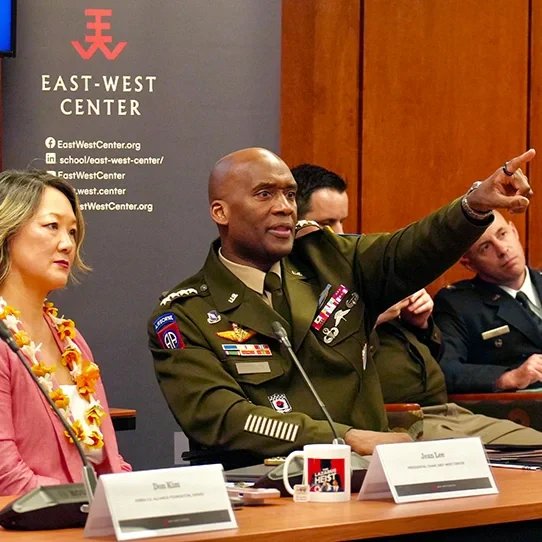

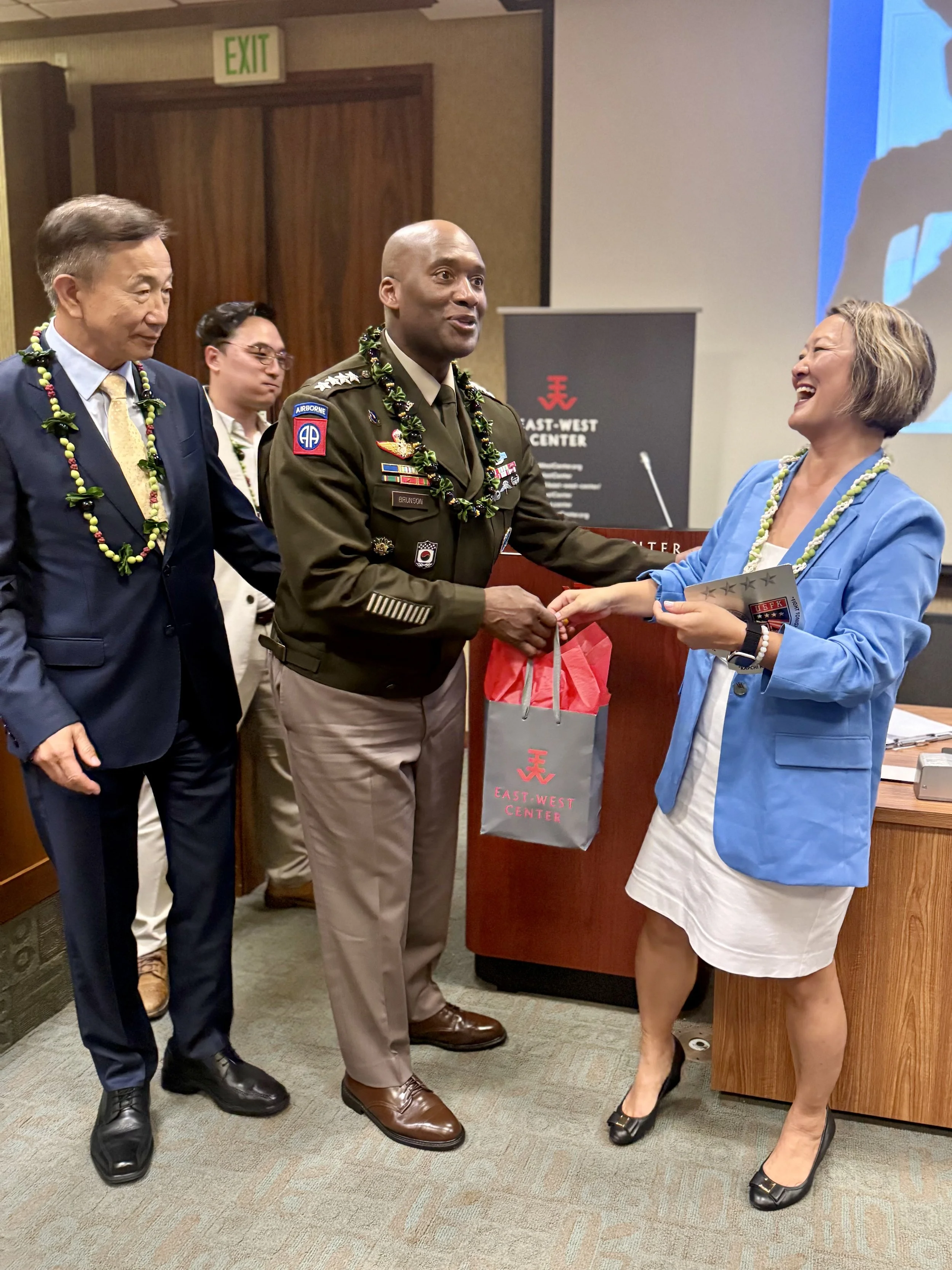

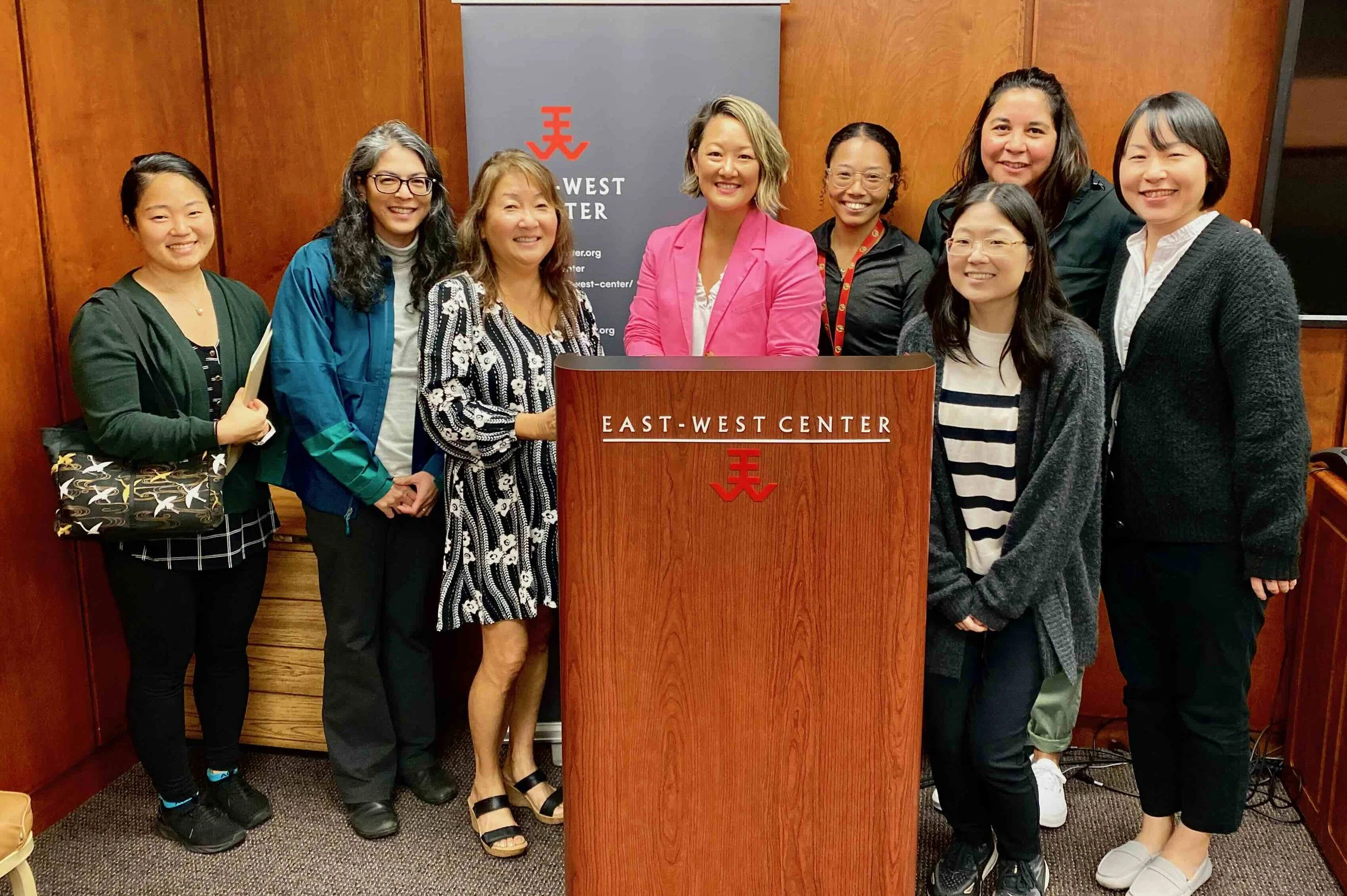


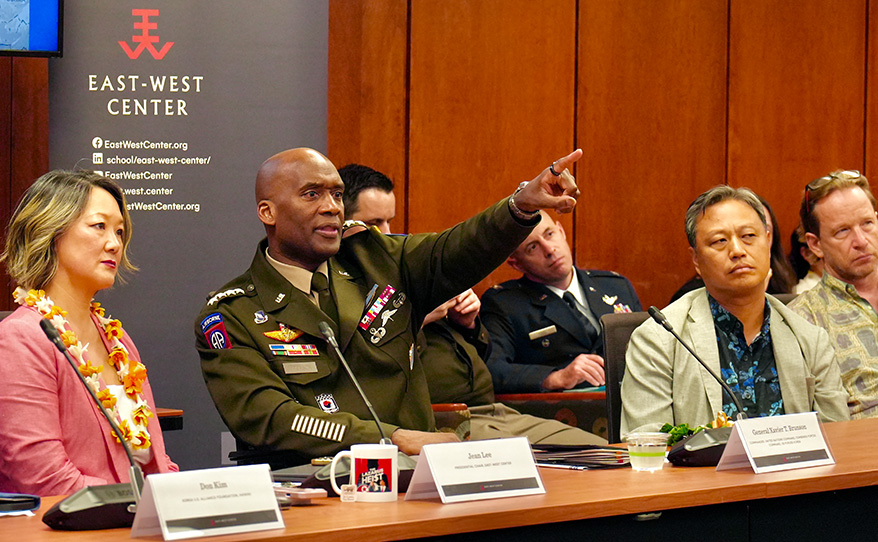
HONOLULU (May 15, 2026) – General Xavier T. Brunson, Commander of the United Nations Command (UNC), Combined Forces Command, and US Forces Korea, spoke at a private roundtable discussion at the East-West Center during a visit to Honolulu for the Land Forces Pacific Symposium this week. His talk focused on the Korean Peninsula’s role in regional security, alliance cooperation, and the evolving security environment in the Indo-Pacific.
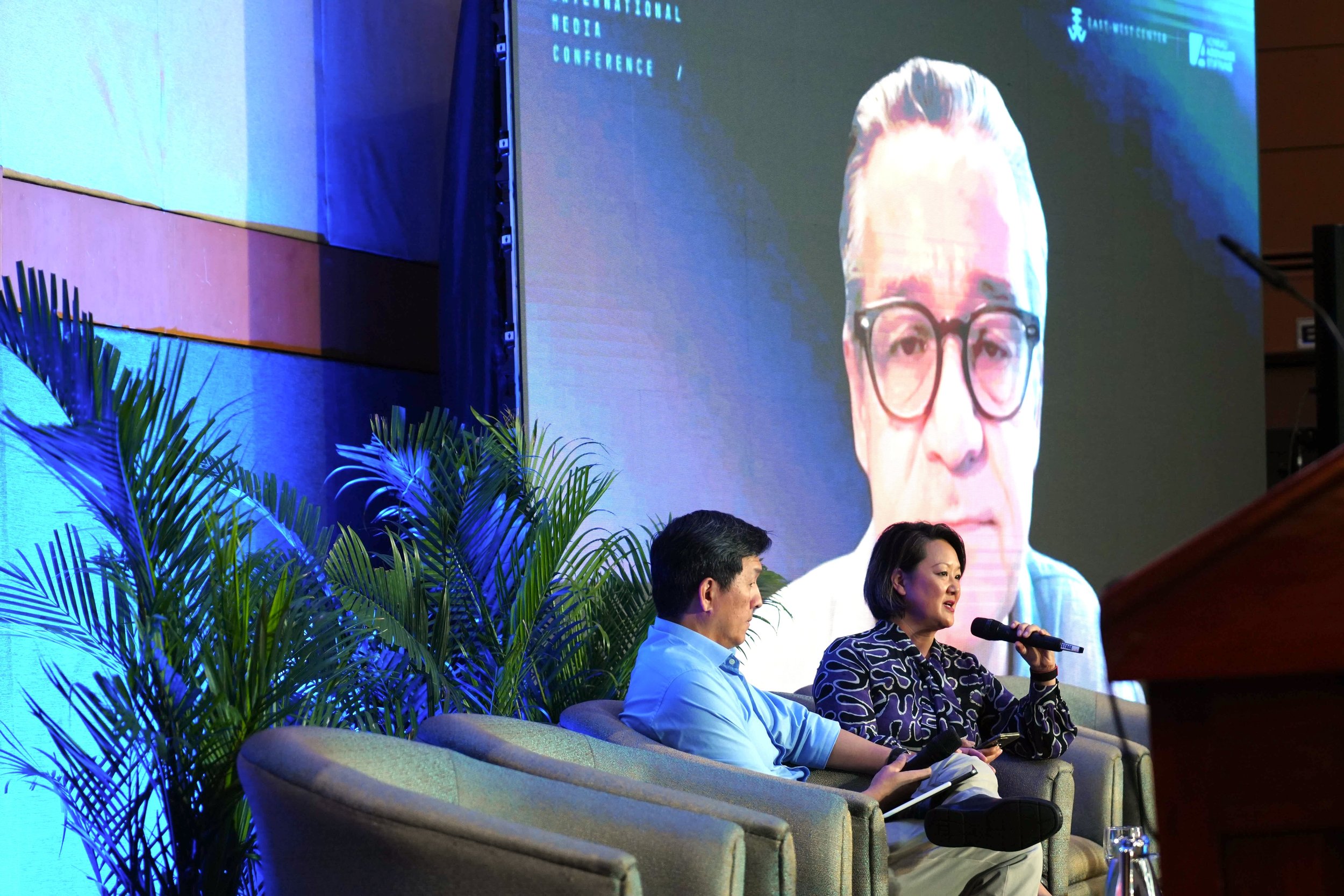
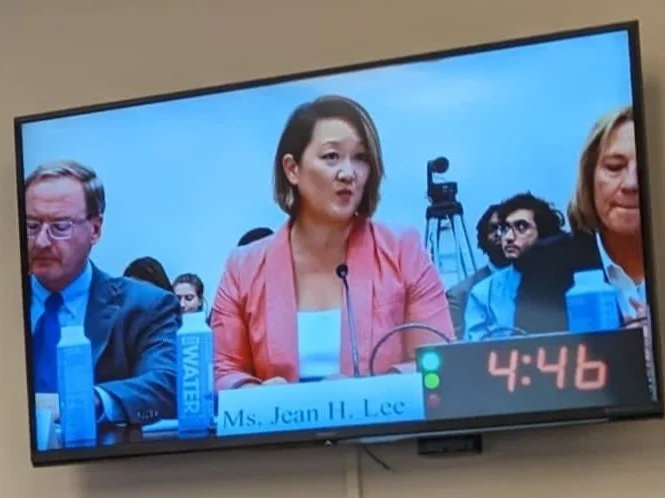
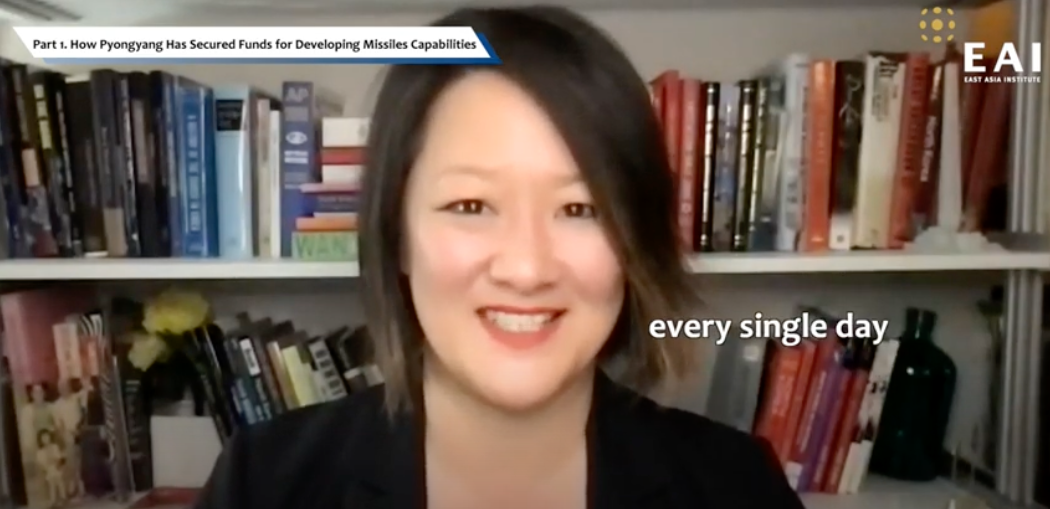
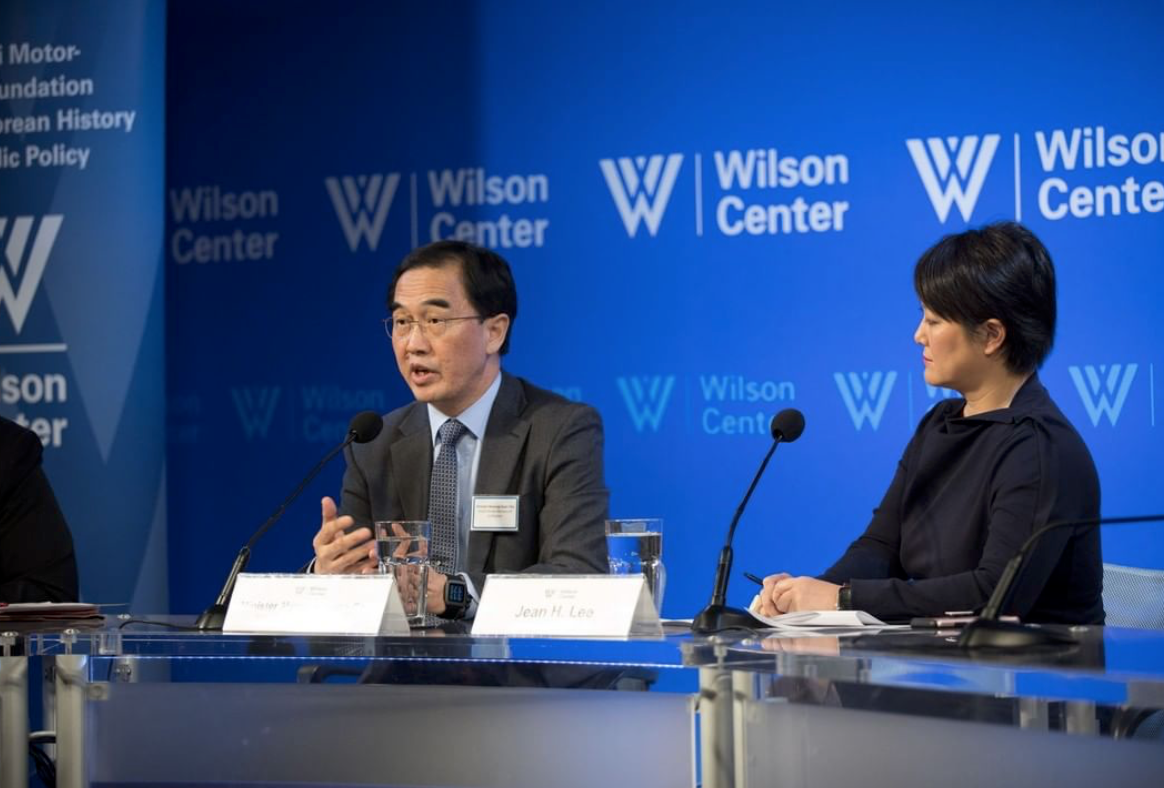
The discussion, moderated by Korea expert and East-West Center Presidential Chair Jean Lee, brought together diplomats, scholars, military leaders, and regional policy practitioners. Founded in 1960, the East-West Center serves as a leading forum for dialogue on Indo-Pacific security, economic resilience, and regional cooperation.
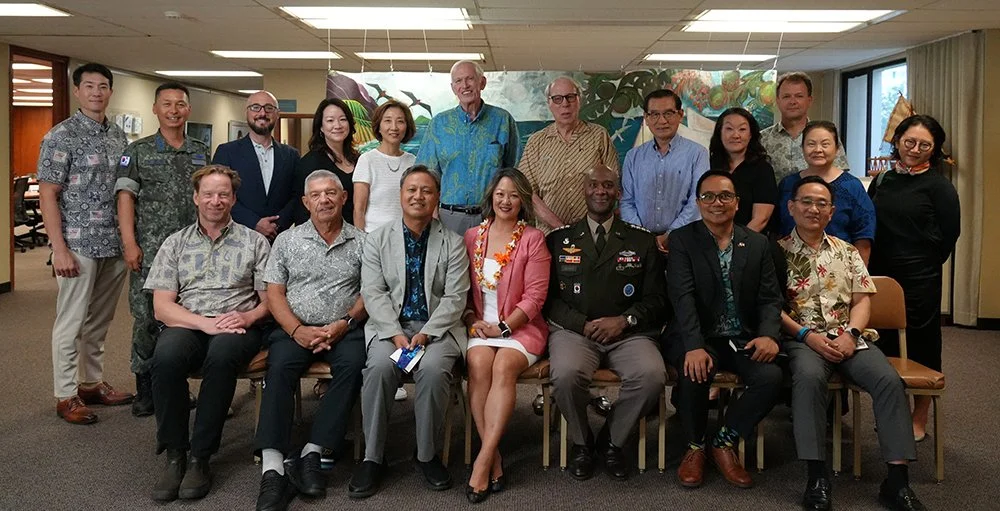
“We’re especially honored to host today’s conversation at a moment when the Indo-Pacific region is more central than ever before to global discussions about security, economic resilience, and democratic governance,” said East-West Center President Celeste Connors. “General Brunson brings a uniquely comprehensive perspective on multinational coordination, deterrence, and alliance management on the Korean Peninsula and across the region.”
Throughout the discussion, Brunson emphasized the importance of partnerships, readiness, and sustained coordination among allies and partners in maintaining peace and stability in the region.
“Our friends, partners, and allies in the region have great potential to help supercharge the industrial base,” Brunson said, citing South Korea’s shipbuilding and maintenance capacity as a clear example. He noted that leveraging partner industrial strength can help reduce the impacts of geographic isolation that have long shaped Pacific logistics.
Brunson also reflected on the enduring multinational character of the United Nations Command as it marks its 75th anniversary. He noted the continued importance of maintaining strong relationships with UNC member states and preserving the Armistice framework that has helped maintain stability on the Korean Peninsula for decades.
The discussion also touched on South Korea’s growing role in regional cooperation, including contributions to multinational exercises and broader security partnerships.
“Korea has the ability to be an organizing nation for a free and open Indo-Pacific,” said Brunson.
Leading U.S. experts and former officials to identify actionable policy steps the White House and Congress should take to address the growing threat from North Korea.